Rockledge schools, 1880s to today: one-room schoolhouse to modern district
Rockledge's first school opened in the 1880s. A segregated Black school operated from 1900 through the 1960s. Modern Rockledge schools include three elementaries, a middle school, and Rockledge High (founded 1968).
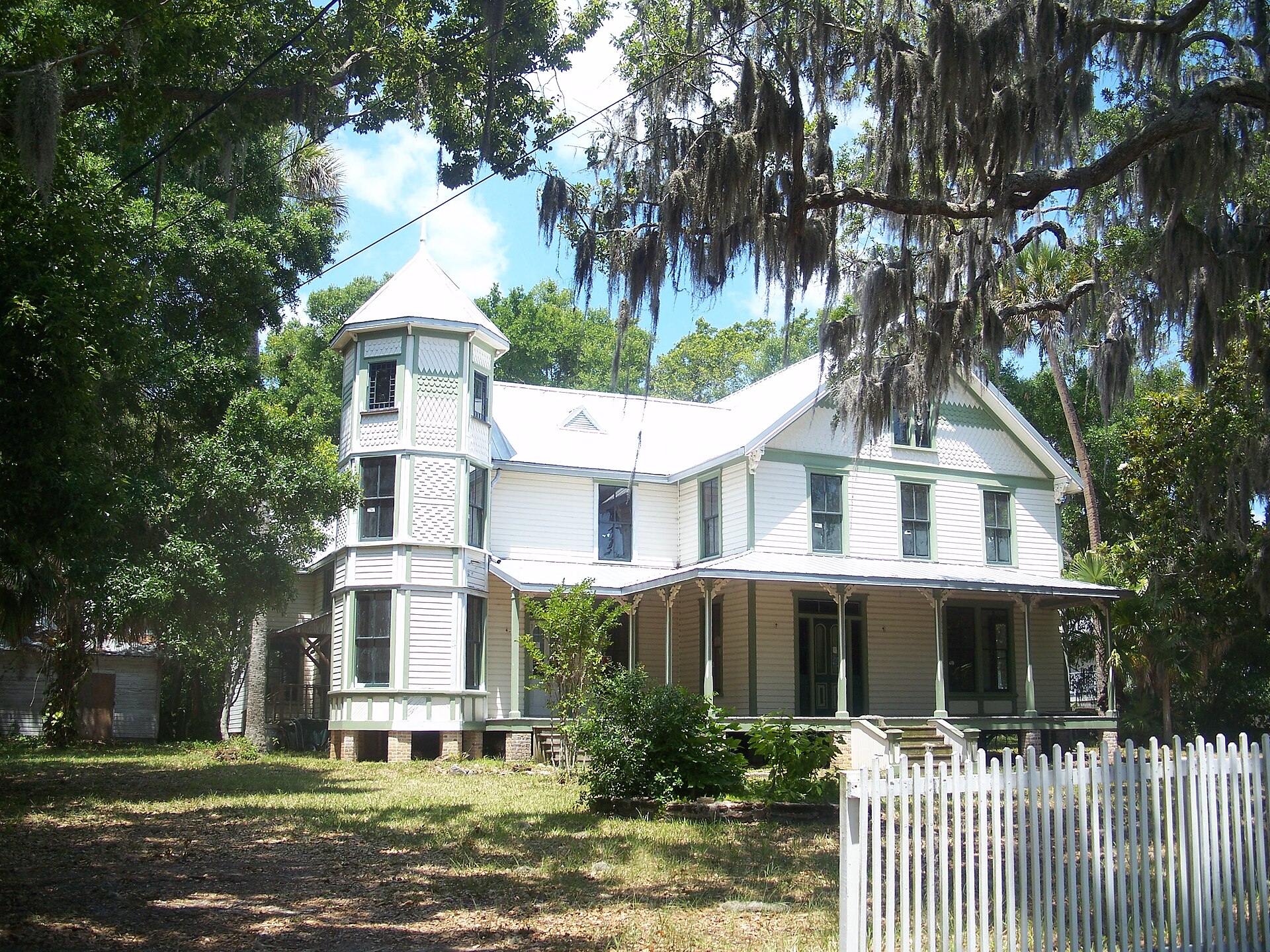
Rockledge’s first school was a one-room frame building that operated from the early 1880s, before incorporation. The Brevard County school superintendent’s earliest annual reports list a Rockledge school with one teacher and roughly 25 students. Through the 20th century the system expanded to multiple elementaries, a junior high, and Rockledge High School (opened 1968). Throughout the segregation era, Black children attended a separate “Rockledge Negro School.” Brevard County schools integrated in 1969-70.
The pre-1900 schoolhouse
The first Rockledge school was a small wooden building on a parcel near what’s now Barton Avenue. It served the white children of the immediate Rockledge precinct. A single teacher, hired and paid by the Brevard County school board (when there was one) or directly by parents (when there wasn’t), taught grades one through eight. The school year ran roughly seven months, October through April, with breaks for citrus harvest in October and Christmas. Higher grades, when needed, were arranged through tutoring or by sending older children to Titusville (the county seat) for boarding-school options.
The segregated era
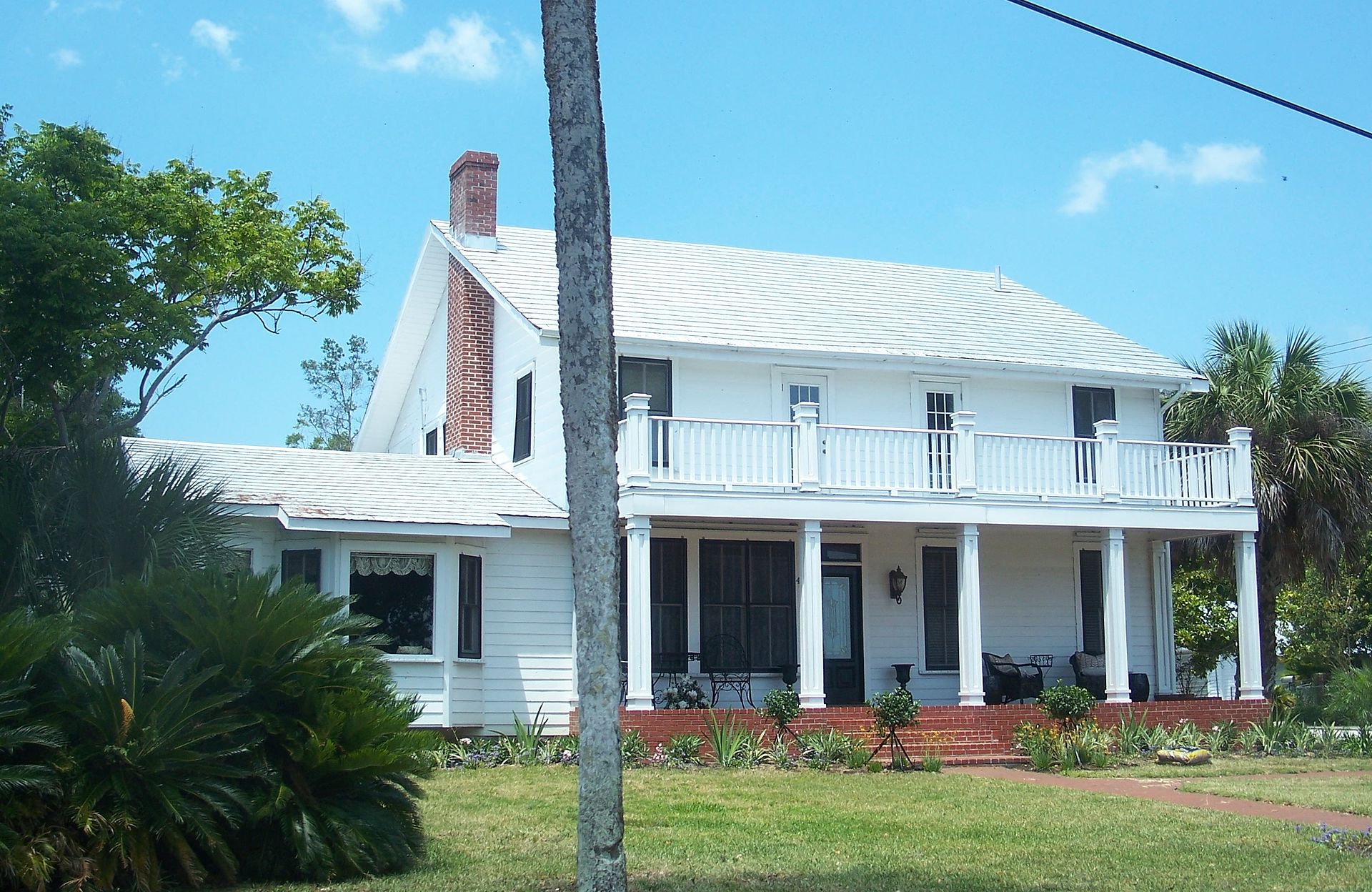
From the 1900s through the 1960s, Rockledge operated parallel school systems. White children attended schools west of U.S. 1, eventually consolidated into Cocoa-Rockledge Junior High and the area’s various elementaries. Black children attended a separately maintained Rockledge Negro School, west of U.S. 1 in the Black neighborhood that grew around Macedonia Missionary Baptist Church.
The Rockledge Negro School operated as a single-teacher, multi-grade school for most of its early decades. By the 1930s and 1940s it had multiple teachers and a larger facility. Brevard County school superintendent reports of the period list it under “colored schools” with separate enrollment, staffing, and budget lines.
Per-pupil spending under segregation was consistently lower for Black schools than for white schools across Florida. The Brevard records show the same pattern. Black schools received less funding, older textbooks, and smaller facilities. Black teachers were paid less than white teachers with equivalent credentials. The conditions improved gradually through the 20th century but full equity did not exist until integration.
Integration
Brown v. Board of Education was decided in 1954. Florida resisted desegregation through the late 1950s and 1960s with “freedom of choice” plans and other delay tactics. Brevard County’s full school integration came in 1969-70, after federal court orders made delay legally untenable. The Rockledge Negro School was closed as a separate institution; its students were reassigned to formerly all-white schools, and its teachers, at least in principle, were reassigned to integrated faculty positions.
The integration process was not smooth. Local accounts and Brevard County school board records from 1968-1972 document the routine difficulties: faculty assignment disputes, busing logistics, occasional incidents at integrated schools, complaints from both Black and white parents about the implementation. The county worked through it. By the mid-1970s, the integrated system was operational.
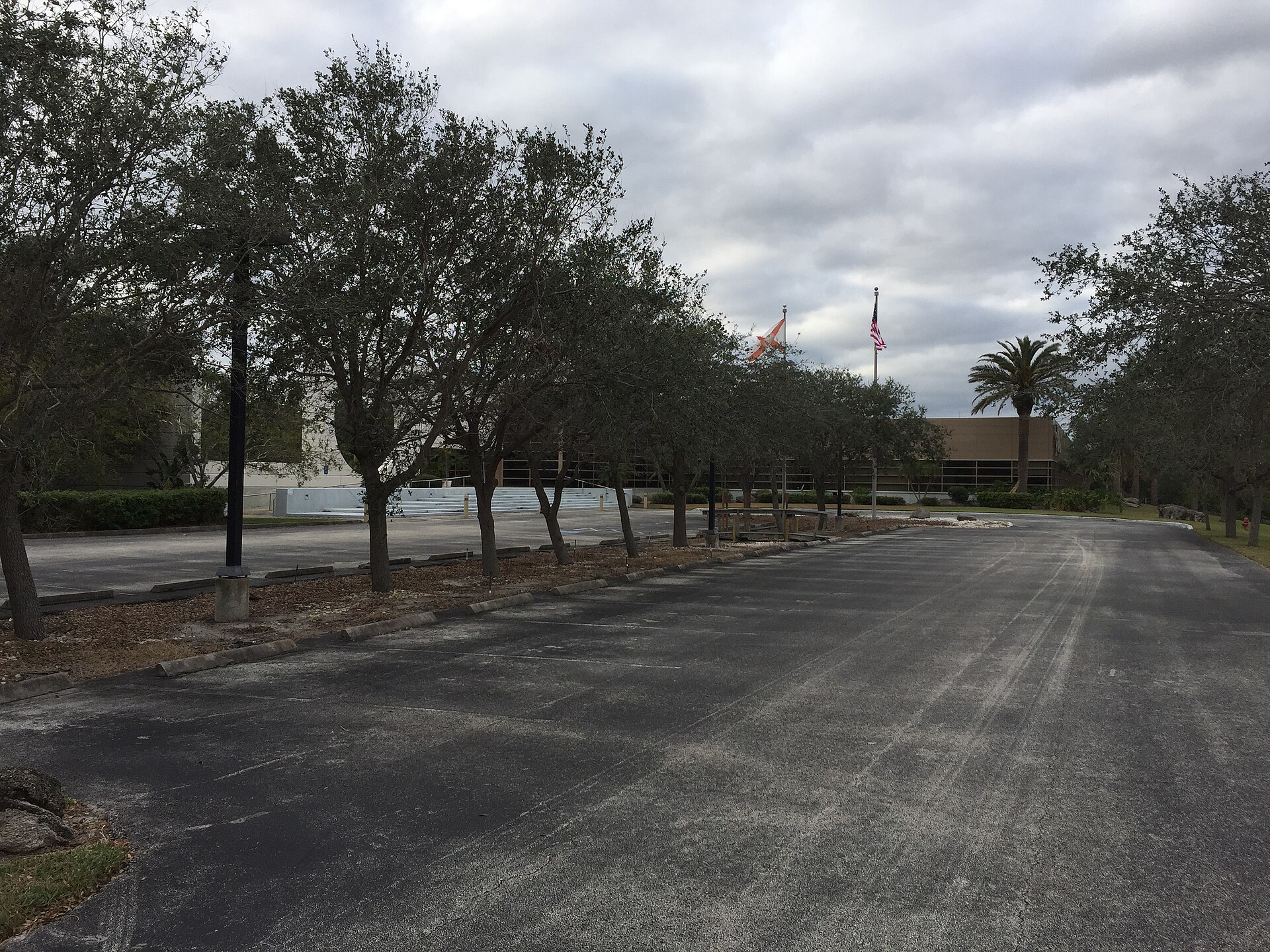
Rockledge High School, 1968
Rockledge High School opened in 1968 on Royal Palm Boulevard. It was Rockledge’s first comprehensive high school; before 1968, Rockledge students attended Cocoa High School. The 1968 opening coincided with the school integration era and Rockledge High opened as an integrated school from the start.
The school colors are blue and gold; the mascot is the Raider. Rockledge High has competed in the Florida High School Athletic Association across multiple sports for over five decades. The football program has produced state-level results in some seasons. The school enrolls roughly 1,800 students in its current configuration.
Modern Rockledge schools
The Brevard Public Schools district currently operates the following Rockledge schools:
- Rockledge High School (grades 9-12), Royal Palm Boulevard
- Kennedy Middle School (grades 6-8)
- Andersen Elementary
- Williams Elementary
- Golfview Elementary
Plus several charter and private schools serving the area. Brevard Public Schools as a district enrolls approximately 70,000 students across the county; Rockledge’s schools serve a few thousand of those.
What’s worth checking on current operations
For current enrollment figures, school grades (under Florida’s annual school grading system), and specific program offerings at each school, consult the Brevard Public Schools website. The district publishes school report cards annually with verified data.
Enrollment in the NASA-era expansion
The pressure that forced Rockledge High School’s 1968 opening came from one of the steepest population curves in Florida county history. Brevard County’s census population went from 23,653 in 1950 to 111,435 in 1960 to 230,006 in 1970, a roughly tenfold increase in twenty years, driven almost entirely by Cape Canaveral missile work, the founding of NASA in 1958, and the buildout of Kennedy Space Center after 1962. Rockledge itself grew from 1,347 residents in 1950 to 10,523 by 1970, an eightfold jump that left the pre-war school plant hopelessly undersized.
Brevard Public Schools was opening multiple new schools per year through the mid-1960s. The federal Elementary and Secondary Education Act of 1965 provided some construction money; state aid covered the rest. By the time the Apollo program peaked at over 25,000 direct NASA and contractor jobs in central Brevard, the school district was building classrooms about as fast as construction crews could finish them, and even that wasn’t fast enough. Rockledge High’s 1968 opening was one of dozens of new schools the district stood up during the decade. Population data from the 1950, 1960, and 1970 federal census tracks the pressure precisely.
Integration, in numbers
Brevard County’s integration under federal court pressure played out in the 1969-70 school year, fifteen years after Brown v. Board. By then the district was operating under a desegregation plan reviewed by the U.S. District Court for the Middle District of Florida. “Freedom of choice” plans, which Florida districts including Brevard used through the mid-1960s as a delay tactic, were ruled inadequate in Green v. County School Board of New Kent County (1968). After Green, the holdout districts had no further legal cover.
The closure of the Rockledge Negro School and the reassignment of its students to formerly all-white schools was the most visible local event of the transition. Faculty integration was the more contested piece. Black teachers in segregated Florida districts had historically been paid less than white teachers with equivalent credentials, and many were not retained after their schools closed, a pattern documented across the South in the integration era and visible in Brevard County school board records of 1969-1972.
Further Reading
Sources
- Brevard Public Schools, district history and current data, brevardschools.org
- Brevard County School Superintendent annual reports, 1900-1970 (Brevard County School District archives)
- Brevard County v. United States, federal district court records on desegregation (1965-1972)
- Florida Department of Education, historic school enrollment data
- Florida Today archive, school coverage 1965-1975 (microfilm at the Brevard County Library)
As an Amazon Associate we earn from qualifying purchases.