Rockledge incorporated August 7, 1887: how Brevard's oldest city got its charter
Rockledge became the first incorporated municipality in Brevard County when the Florida Legislature granted its charter on August 7, 1887. Six years before Melbourne, six years before the FEC Railway arrived.
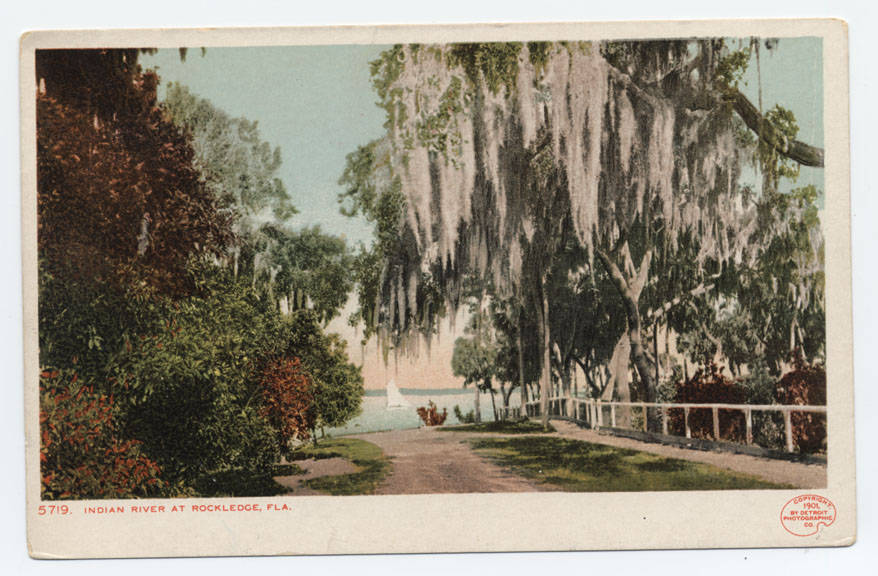
Rockledge became the first incorporated municipality in Brevard County on August 7, 1887, when the Florida Legislature passed Chapter 3743 of the 1887 acts. The charter ran 32 sections, set the corporate boundaries roughly from Rosa L. Hardee’s grant on the south to the property of Henry S. Williams on the north, and named the first slate of officers: a mayor, four aldermen, a clerk, a treasurer, and a marshal. Cocoa was a settlement across the river without a charter. Melbourne wouldn’t incorporate until 1888. Titusville, despite being the county seat, didn’t get its current charter until 1887 as well, but Rockledge filed first.
What “first” actually means
Brevard County itself was carved out of Mosquito County and St. Johns County between 1844 and 1855. By the 1870s it had a half-dozen named settlements along the Indian River, LaGrange, Sand Point (later Titusville), Eau Gallie, Melbourne, City Point, and Rockledge, but none of them were corporations under state law. They were post offices and steamboat landings.
The 1885 Florida constitution made incorporation easier. A municipality of at least 300 residents could apply to the legislature for a charter and get it approved with one act. Between 1885 and 1890, dozens of Florida towns rushed to incorporate, partly for civic identity and partly because incorporated municipalities could levy property taxes for streets and schools without going through the county.
Rockledge’s 1887 charter wasn’t the first time the settlement had been described to the state. The 1880 census counted 96 people in the unincorporated Rockledge precinct. The 1885 state census, which Florida conducted at midpoint between federal censuses in that era, put the total at 174. By 1887, with the Hotel Indian River under construction and a steady winter tourist trade developing, the local boosters had the population to push for incorporation. They got it.
The legislative record
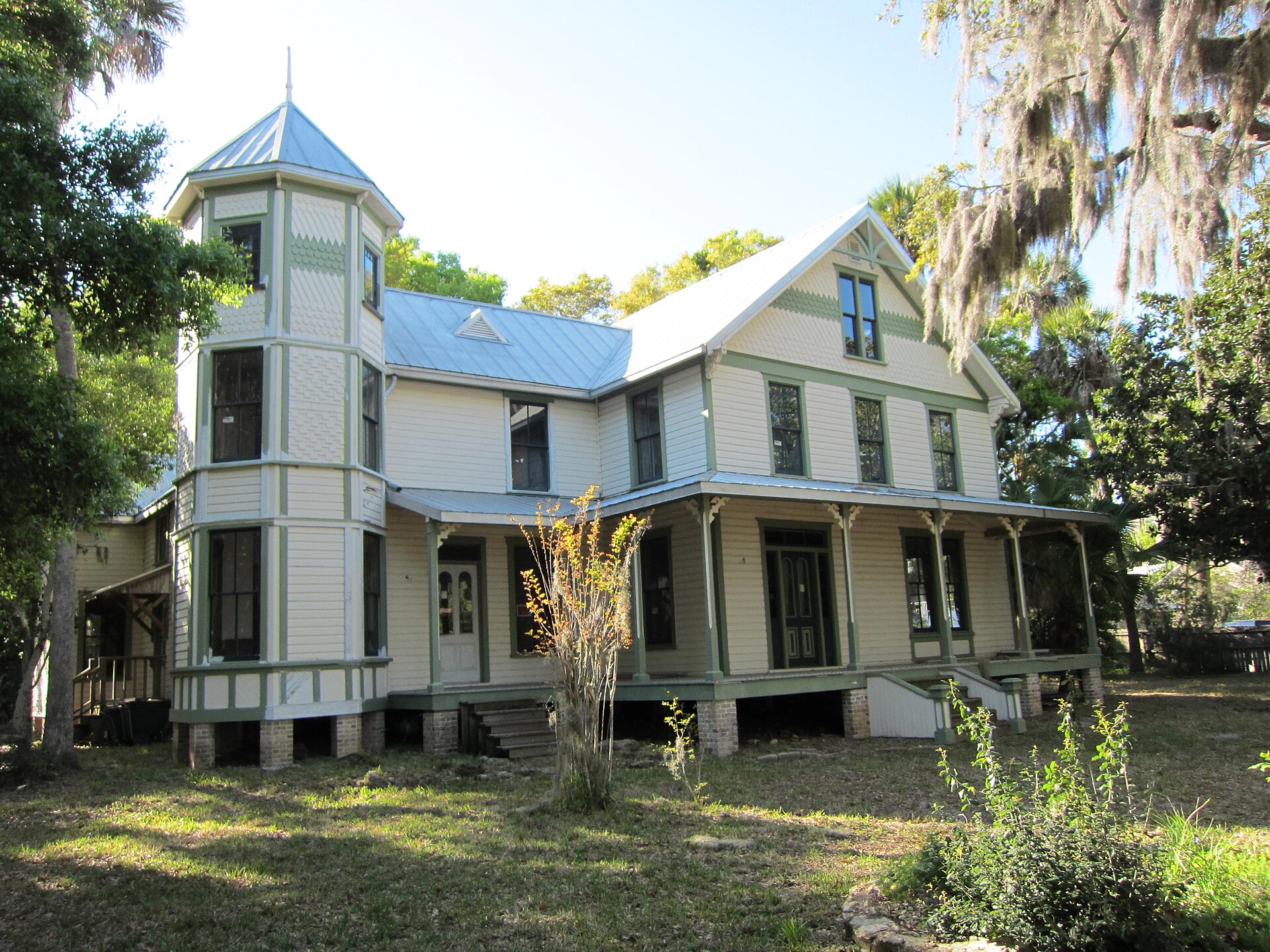
The Florida State Archives holds the original engrossed bill. Chapter 3743 of the Acts of 1887 created “the Town of Rockledge,” set up its government, gave it the standard powers of a Florida municipality under the 1885 constitution (taxation, eminent domain for streets, building regulation, licensing of saloons and other trades), and incorporated by reference the general municipal-corporation statutes of the state.
The boundaries described in Section 1 follow the Indian River shoreline. Beginning at the southeast corner of Rosa L. Hardee’s grant, running west to the rear of the lots on the western side of the principal road (now U.S. 1), north to the property of Henry S. Williams, east back to the river, and south along the shore to the starting point. The town was long and narrow, a strip of riverfront perhaps a mile and a half north-to-south and a few blocks wide.
The first mayor under the charter was J. F. Mitchell. He served alongside aldermen W. R. Sanders, E. W. Hall, J. W. Williams, and H. S. Williams. The clerk was J. M. Sanders. Their names appear in the Brevard County court records and in the local press of the period, the Florida Star of Titusville, which covered Rockledge politics through 1887 and 1888.
Why Rockledge and not Cocoa
This is the question that comes up at every Rockledge-vs-Cocoa civic conversation. Cocoa eventually grew larger. Cocoa got the post office headquarters for the area. Cocoa now hosts the main commercial district that serves both cities. So why did Rockledge incorporate first?
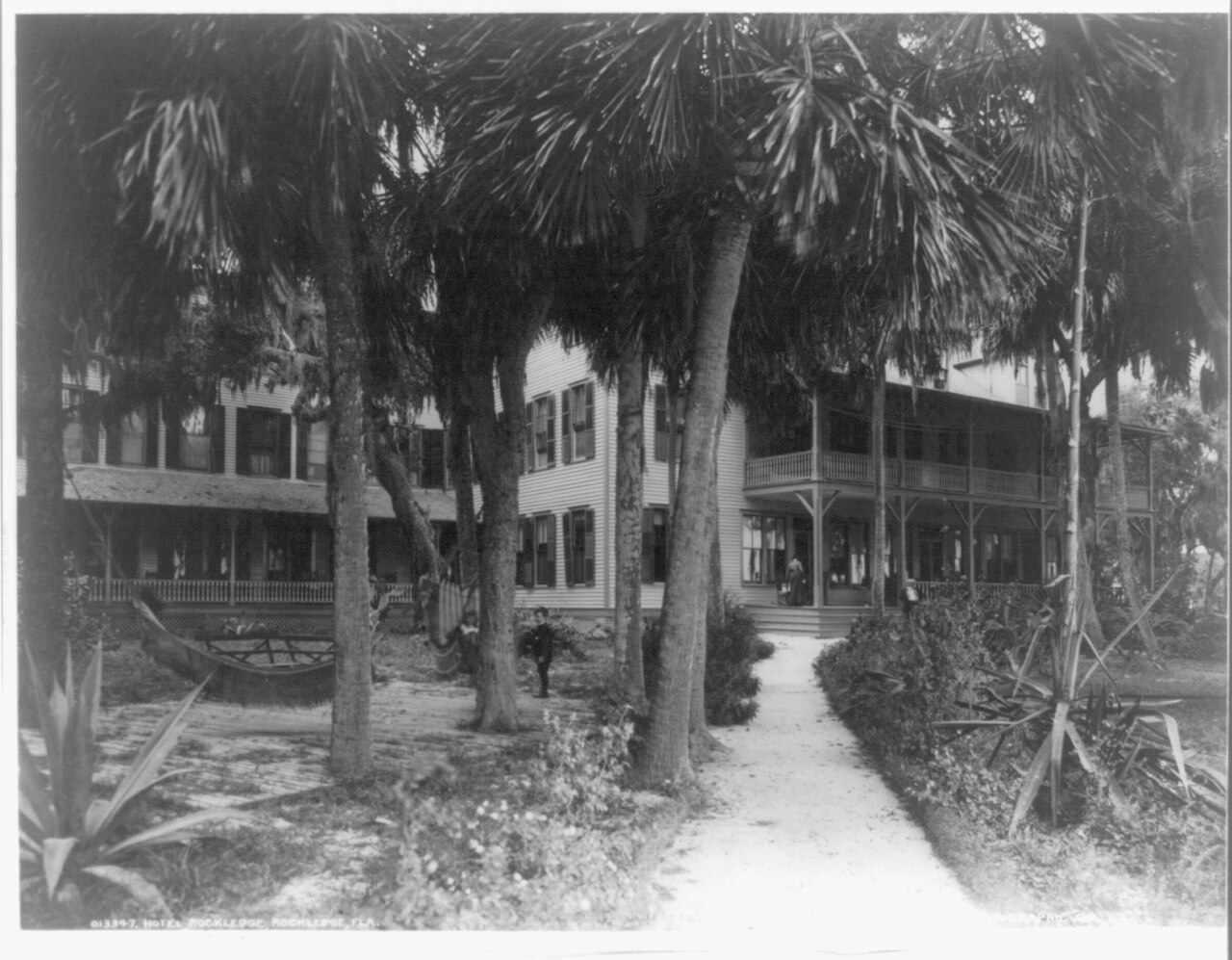
The simple answer: Rockledge had the hotel. Hotels were the engine of late-1800s Florida tourism, and the Hotel Indian River, opened in 1888, was already under construction at the time the 1887 charter was sought. With a hotel came employees, suppliers, a winter population multiple times the year-round count, and the kind of organized local economy that wanted a town government to manage streetlights, drainage, and police. Cocoa, in 1887, was still primarily a steamboat landing and citrus-packing center. It would incorporate four years later, in 1891.
A geographic answer: Rockledge sits on a coquina ledge that runs ten to fifteen feet above the river. The cliffs are the highest natural ground for miles in either direction along the lagoon. That made the site dry, well-drained, and suitable for substantial residential and hotel construction in an era before serious mosquito control. Cocoa, half a mile north, is on lower ground. The Gilded Age preferred the high ground.
What the charter looked like in practice
The 1887 charter governed the town until a 1925 revision, which itself was replaced by the current charter in the 1950s and amended repeatedly since. But the 1887 document set the template. It established that Rockledge would govern itself as a Florida municipality, not as a county-dependent precinct. It imposed property taxes, then a novel concept for many Brevard residents, and put the proceeds into roads, a fire brigade, and a small marshal’s office.
The records of the first town meetings, held at the schoolhouse and later at the Williams Building on Barton Avenue, survive in the City of Rockledge clerk’s archive. Topics in 1887 and 1888: how to drain standing water from the streets after summer storms, whether to license a saloon on Riverside Drive, how much to pay the marshal (the figure that year was $400 per annum), whether to require sidewalks on the principal streets. The pragmatics of a new town.
The competing dates and what’s wrong with them
Some sources date Rockledge’s “founding” to the 1840s, when the first homesteaders arrived. That’s a homesteading date, not an incorporation date, and conflating the two is the most common error in casual Rockledge history. Other sources date it to 1885, when the state census recorded 174 residents. That’s a census date, not a charter date.
The single legally and historically correct date is August 7, 1887, when Governor Edward Aylsworth Perry signed Chapter 3743 into law. That date appears on the engrossed copy in the Florida State Archives. It’s the date the city’s own seal references. It’s the date the Florida League of Cities uses in its municipal records.
The next-oldest incorporated city in Brevard County is Titusville, also chartered in 1887 but later in the session. Melbourne came in 1888. Cocoa in 1891. Eau Gallie in 1895 (absorbed into Melbourne in 1969). Cocoa Beach didn’t exist as a town until 1925. Cape Canaveral wasn’t chartered until 1962.
So Rockledge is the oldest, not by a fluke of records but by the legislative calendar of 1887. The next time someone tells you Cocoa is the older city, point them at Chapter 3743.
Further Reading
- Florida: A Short History by Michael Gannon
- A Land Remembered by Patrick D. Smith
- Pioneer Life in Southeast Florida by Charles W. Pierce
- Flagler: Rockefeller Partner and Florida Baron by Edward N. Akin
Sources
- Florida Laws, Chapter 3743 (No. 88), Acts of 1887, Florida State Archives, RG 156, Series S 222
- City of Rockledge, “History of Rockledge”, cityofrockledge.org/about-us/history
- Jerrell H. Shofner, Brevard County, Florida: An Illustrated History (Donning Company, 1995)
- Florida Star (Titusville), digitized issues 1887-1890 at the State Library of Florida and Chronicling America (Library of Congress)
- William Henry Bryant Roberts, History of Brevard County, Florida (Florida Historical Society, 1937)
As an Amazon Associate we earn from qualifying purchases.