Asplenium ×heteroresiliens and the rare flora of the Rockledge coquina cliffs
The coquina cliffs at Rockledge host endemic and rare plants. Hybrid spleenwort ferns (Asplenium ×heteroresiliens, including the so-called 'lyrata' form), specialty epiphytes, and a flora list FNAI has documented since the 1990s.
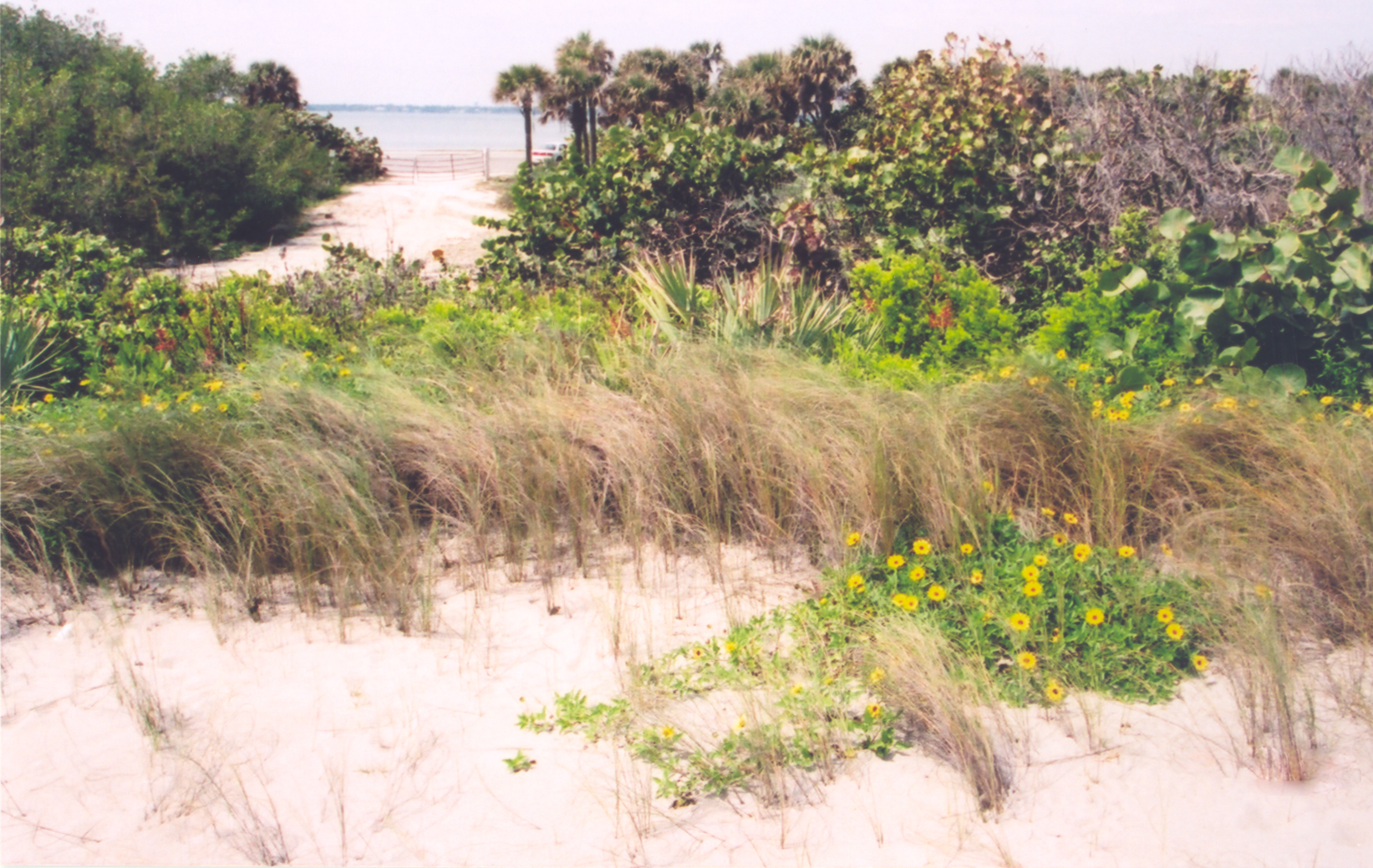
The coquina cliffs at Rockledge host a distinctive fern flora that includes Asplenium ×heteroresiliens, a fertile hybrid spleenwort fern documented by the Florida Natural Areas Inventory. Earlier published references called the Rockledge population by various names including the “lyrata” form, though the current taxonomic understanding places it within A. ×heteroresiliens and related lineages of the Asplenium heterochroum / Asplenium resiliens hybrid complex. The cliff habitat, with its calcareous coquina substrate, partial shade, and stable humidity from the lagoon, supports several other rare or unusual plant species.
What makes the habitat distinctive
Asplenium ferns in this group prefer calcareous (limestone, coquina) substrates with stable moisture. The coquina cliffs at Rockledge offer exactly that:
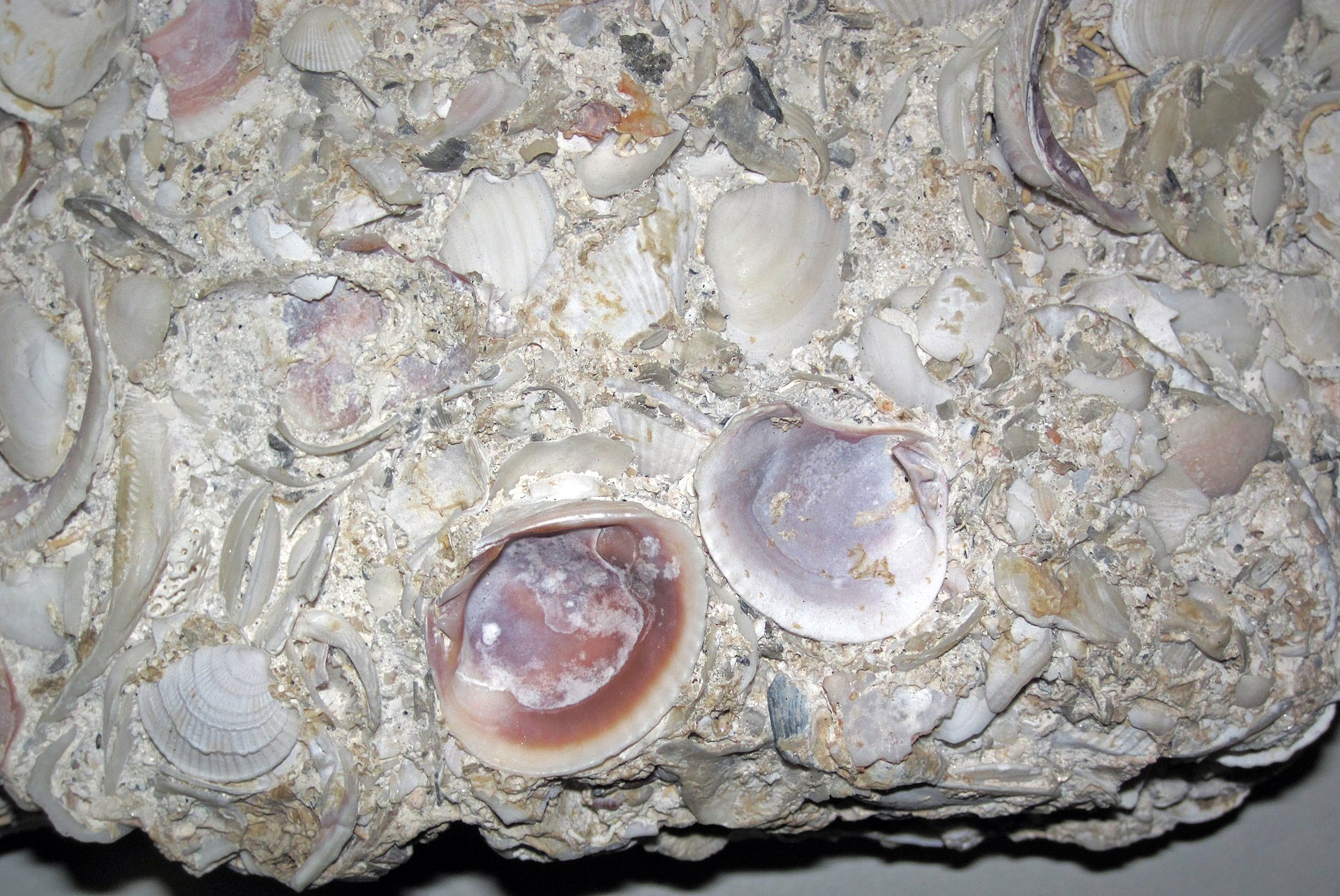
- Substrate: coquina, a porous calcium-carbonate-cemented shell limestone. The rock surface stays moist from rainwater seepage and lagoon humidity but doesn’t pool standing water (so the plants don’t drown).
- Light: partial shade. The cliff face is east-aspect, so it gets morning sun and afternoon shade. The mature live oak and palm canopy above the cliff provides additional shade.
- Humidity: the Indian River Lagoon contributes evapotranspiration that keeps the cliff microclimate humid year-round.
- Stability: the well-cemented sections of the cliff erode slowly. Plants establish on stable rock faces and persist for years.
Comparable habitats elsewhere in Florida exist at limestone outcrops (St. Augustine’s Anastasia coquina, the limestone-cliff habitat at Devil’s Millhopper near Gainesville, the karst geology of the Florida Caverns area in the panhandle). The Rockledge habitat is unusual in being east-coastal with maritime moderation rather than inland.
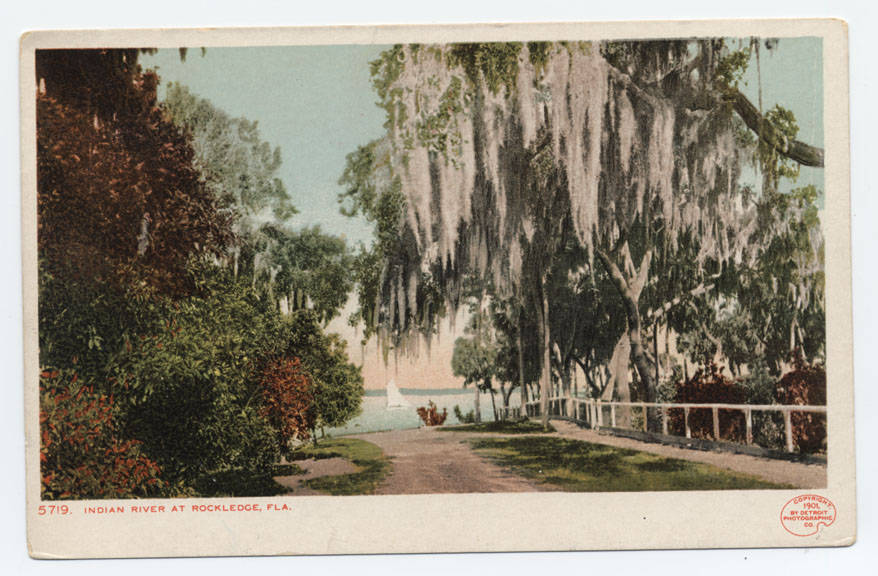
The Asplenium ×heteroresiliens question
The taxonomy of the Asplenium hybrids on Florida coquina cliffs has been revised multiple times over the past century. Earlier botanists (including in some 20th-century floras) referred to the Rockledge plants by names that included “Asplenium lyrata” or “Asplenium heterochroum var. lyrata” or various combinations. Current treatment (per the Atlas of Florida Plants and FNAI) recognizes Asplenium ×heteroresiliens as a fertile hybrid between A. heterochroum and A. resiliens, with significant morphological variation across populations.
Whether the Rockledge population is best described as A. ×heteroresiliens proper or as a distinct subset is the kind of question working botanists are still investigating. For the lay reader, the relevant facts are: the ferns are rare; they’re calcareous-cliff specialists; the Rockledge population is one of a small number of east-coastal Florida sites where they occur; and the Florida Natural Areas Inventory tracks them on its rare-plants database.
Other notable plants
The coquina cliffs and immediate surrounding habitat host:
- Native palms: cabbage palm (Sabal palmetto) and saw palmetto (Serenoa repens), both common across Florida and not rare here, but contributing to the cliff-top canopy.
- Live oak: Quercus virginiana. Mature live oaks on Rockledge Drive lots have been documented at over 100 years of age.
- Other ferns: various more-common fern species (bracken, Boston fern, polypody) occur on the cliff face and the inland canopy. The rare specialists are the small Asplenium hybrids.
- Epiphytes: bromeliads and orchids occur on the live oaks in some locations. Most are common species; a few less-common species have been reported.
The FNAI’s Element Occurrence database tracks rare species. The Rockledge cliff area has multiple element occurrence records.
Threats
The principal threats to the rare cliff flora are direct habitat loss (cliff stabilization with concrete or rip-rap, which buries the cliff face), and physical disturbance (foot traffic on cliff faces, removal of plants by collectors). Indirect threats include changes in canopy cover (live oak removal exposes the cliff face to higher light and temperatures), changes in lagoon humidity (less likely to affect immediate habitat but possible under sustained drought), and erosion that removes substrate.
Hurricane impacts can be neutral or negative depending on what they do to the cliff. Frances and Jeanne in 2004 eroded some cliff sections; whether they eliminated rare-plant occurrences at those sections is unclear from the standard sources.
What’s protected, and what isn’t
Florida law and federal law provide habitat protection for federally listed plant species. The Asplenium hybrids at Rockledge are not currently federally listed (their distribution and conservation status haven’t justified listing). They are tracked by FNAI and listed as rare in state databases, but this is informational rather than regulatory.
The Rockledge Drive Residential Historic District provides cultural-resource protection. The cliff face itself is not protected by the historic-district overlay, though the city’s overlay zoning does include some review of cliff-modification activities. Most of the cliff face is on private property where owners can do what they want within standard zoning constraints, subject to setback and water-quality regulations.
Where to observe (carefully)
Public access to the cliff is at Rockledge Park and at a few other small overlooks along Rockledge Drive. The cliff face there can be observed without disturbing it. Do not climb on the cliff. Do not remove plants. Do not introduce non-native species into the habitat by tossing things over.
The Atlas of Florida Plants includes geographic occurrence data for many of the rare cliff species. Some occurrences are mapped publicly; for the rarest species, exact locations are restricted to discourage collection.
What we don’t know
The full Rockledge cliff flora has been surveyed in piecemeal fashion over decades. A comprehensive modern survey of the cliff with current molecular tools (for fern hybrid identification) and modern habitat assessment hasn’t been published. The detailed extent of the rare-plant occurrences, their reproductive status, and their long-term population dynamics are not fully documented. This is a research gap; the conservation community has more urgent priorities elsewhere and Rockledge cliff plants haven’t received sustained academic attention since the 1990s FNAI surveys.
The Anastasia Formation context for cliff botany
The coquina bluff at Rockledge is the inland expression of the Anastasia Formation, a Late Pleistocene sedimentary unit roughly 110,000 to 130,000 years old, deposited during the Sangamonian interglacial when sea level stood several meters higher than today. The formation is composed of shell hash (primarily small bivalves) bound by groundwater-precipitated calcium carbonate. The chemistry that makes the substrate calcareous is what creates the habitat niche for Asplenium hybrids: most Florida natural substrates are acidic sand or organic peat, and the lime-loving fern flora is restricted to the geological formations that buck that pattern.
Other Anastasia Formation exposures along the Florida east coast carry similar though usually smaller fern populations. The St. Augustine Anastasia outcrops are coastal-beach-rock facies rather than lagoonal facies and don’t support comparable fern communities. The inland Pleistocene limestone outcrops of central Florida (Devil’s Millhopper, the Hawthorn Formation outcrops near Gainesville) carry their own calcareous-cliff fern flora, often with different Asplenium hybrids and pteridophyte communities. Rockledge sits in a small set of east-coastal Florida sites where the lagoonal Anastasia exposure, the maritime humidity, and the partial shade combine to produce the niche its rare ferns need.
Florida Natural Areas Inventory and the regulatory limits
The Florida Natural Areas Inventory at Florida State University has operated since 1981 as the state’s program for tracking rare and imperiled species. FNAI assigns each tracked species a Global Rank (G1-G5) and a State Rank (S1-S5) based on number of occurrences, population sizes, and threat assessment. Asplenium ×heteroresiliens and the broader Asplenium hybrid complex in Florida carry rare-species ranks but are not currently listed under the federal Endangered Species Act or under Florida’s state endangered-plant rules (Chapter 5B-40 F.A.C.). The ranks are scientific assessments; they don’t trigger regulatory protection on their own.
What this means at Rockledge: FNAI tracks the populations and shares occurrence data with land managers, but a private property owner along Rockledge Drive can legally modify or remove cliff-face vegetation without triggering any state or federal plant-protection review. The historic district overlay zoning may apply if the modification involves structures, but the plants themselves are unprotected. Conservation depends on landowner cooperation, not regulation, and the city’s role in providing public-access protection through Wuesthoff Park and Rockledge Park is the practical buffer.
Further Reading
- Florida’s Fabulous Natural Places by Tim Ohr
- The Gulf: The Making of an American Sea by Jack E. Davis
Sources
- Florida Natural Areas Inventory, Rare Plant Database, fnai.org
- Atlas of Florida Plants, florida.plantatlas.usf.edu
- Robbin C. Moran, A Natural History of Ferns (Timber Press, 2004), general fern biology
- Walter Henry Wagner, papers on Asplenium hybrid biology and taxonomy (multiple journal articles, 1950s-1980s)
- Daniel B. Ward (ed.), Rare and Endangered Biota of Florida, Volume 5: Plants (University Presses of Florida, 1979)
As an Amazon Associate we earn from qualifying purchases.