The Brevard County Manatee Sanctuary at Rockledge: Indian River aggregation site
Florida manatees (Trichechus manatus latirostris) aggregate in the Indian River Lagoon at Rockledge during cold weather. The federally-designated sanctuary protects critical habitat. FWC has monitored populations here since the 1970s.
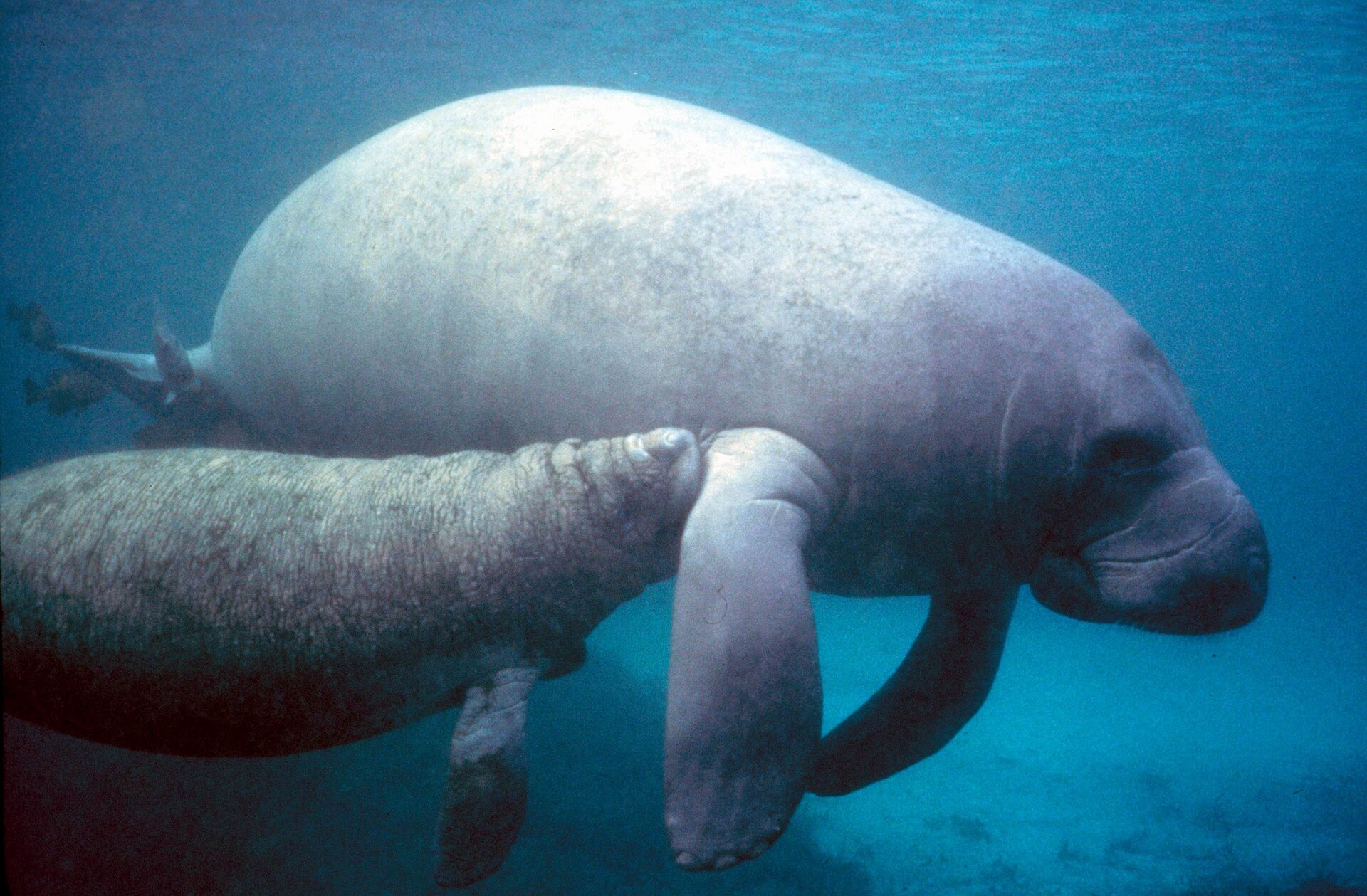
Florida manatees aggregate in the Indian River Lagoon around Rockledge during cold weather, when water temperatures elsewhere in the lagoon drop below the 68°F threshold that becomes physiologically dangerous for the species. The Brevard County Manatee Sanctuary, a federally-designated protected area, covers a portion of the lagoon adjacent to Rockledge. The Florida Fish and Wildlife Conservation Commission and the U.S. Fish and Wildlife Service have monitored the population here since the 1970s.
What manatees do at Rockledge
The Florida manatee (Trichechus manatus latirostris) is a subspecies of the West Indian manatee. Adults are 9 to 12 feet long, weigh 800 to 1,200 pounds, eat aquatic vegetation, and are obligately warm-water mammals. Below 68°F sustained water temperature, manatees develop cold stress: lethargy, immune suppression, skin lesions, and eventual death if exposure continues.
In Florida winters, manatees migrate to warm-water refugia: natural springs, the warm-water outfalls of power plants, and certain pockets of the Indian River Lagoon where local conditions maintain higher temperatures. Rockledge is one of the lagoon aggregation sites. The combination of lagoon depth, freshwater inflows, and circulation patterns produces relatively stable winter water temperatures that attract manatees from broader regional ranges.
The Rockledge aggregation is not the largest in Florida (the Crystal River and Blue Spring springs sites hold larger winter aggregations), but it’s significant within the Indian River Lagoon system.
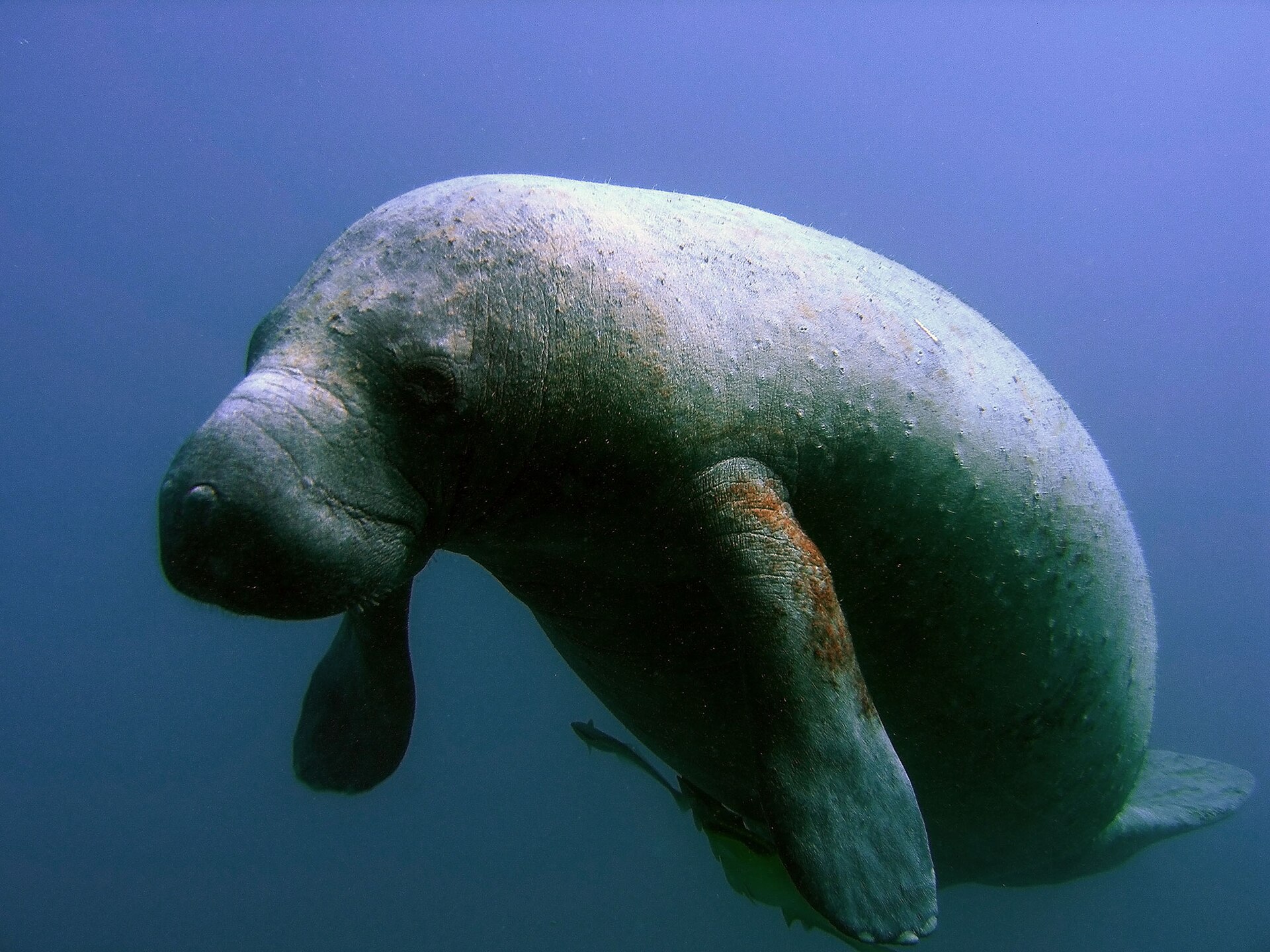
The sanctuary designation
The Brevard County Manatee Sanctuary was established under the federal Endangered Species Act and the Marine Mammal Protection Act, with implementation through the State of Florida. The boundaries cover a portion of the Indian River Lagoon adjacent to Rockledge, with specific regulations on boat speed, anchoring, and approach distance to manatees.
Boat speed limits within the sanctuary are typically 25 mph or less in most zones, dropping to “slow speed/no wake” or “idle speed/no wake” in core manatee aggregation areas. Boaters are required to keep a minimum approach distance from manatees and may not pursue, harass, or feed them. Enforcement is by FWC officers, sometimes supplemented by U.S. Fish and Wildlife Service.
The exact boundaries and current regulations are posted at all public boat ramps in the area and at the FWC Indian River Lagoon manatee zone website. Boundaries and zones are updated periodically; the version in force at any given time is the version on the FWC posting.
Population status
The Florida manatee was federally listed as endangered in 1967 (under the predecessor to the Endangered Species Act) and reclassified as threatened in 2017 after sustained population recovery. Statewide population estimates have ranged from a few thousand individuals in the 1990s to recent estimates over 8,000 manatees, though survey methods have changed and direct comparisons are difficult.
The Indian River Lagoon population has had specific challenges. The lagoon’s seagrass beds, which manatees graze, have declined substantially since the 2010s due to a complex combination of fertilizer runoff, septic-tank leakage, urban stormwater pollution, and the resulting algae blooms that block sunlight from reaching seagrass. The seagrass decline has caused episodic manatee starvation events; the most severe occurred in 2020-2022, when hundreds of manatees died of starvation in the Indian River Lagoon.
The 2020-2022 die-off prompted an emergency federal-and-state response, including provisioning of lettuce and other supplemental feed at certain winter aggregation sites (a measure usually avoided because it changes manatee behavior). The seagrass recovery effort is ongoing.
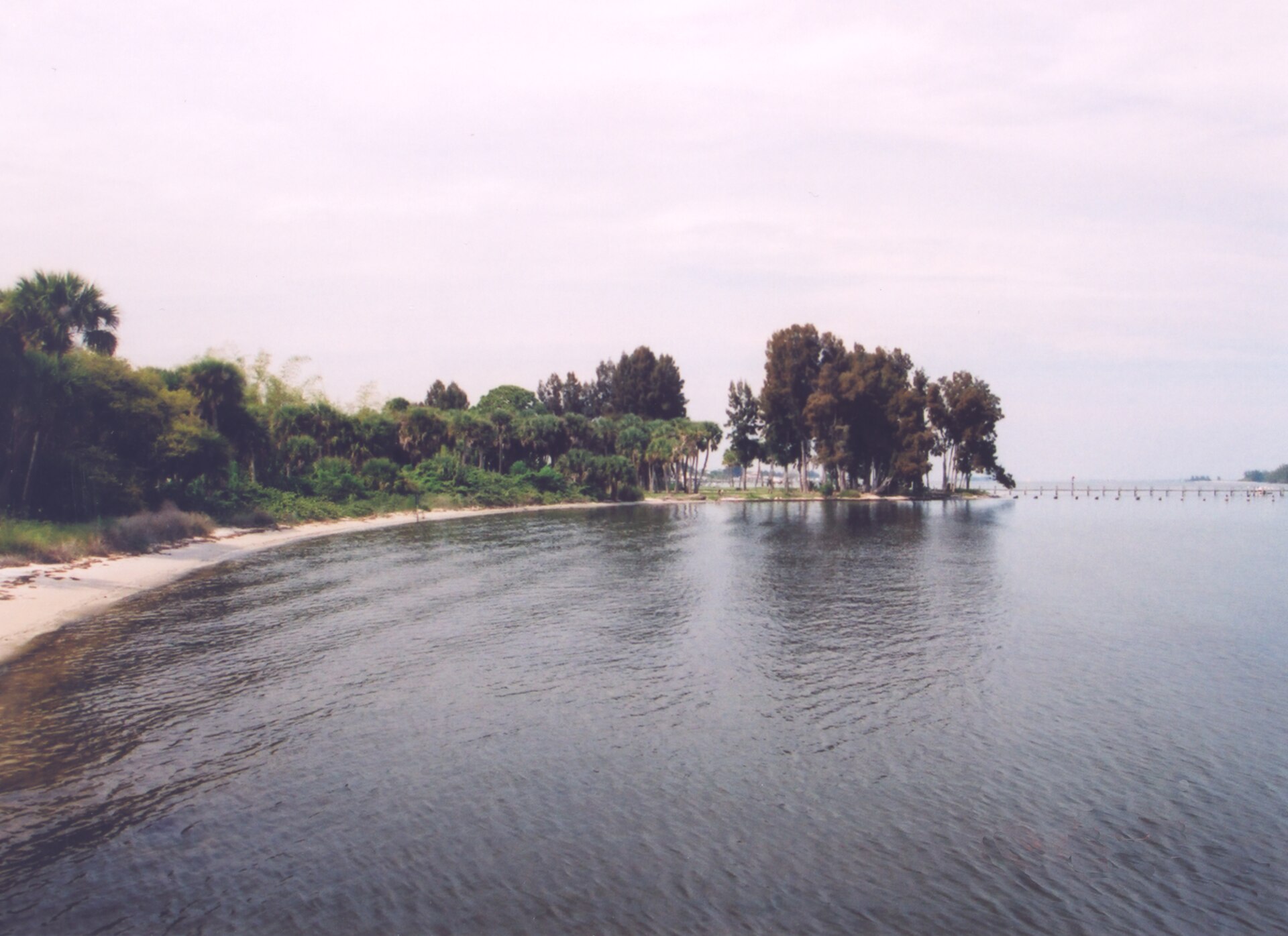
Where to see manatees at Rockledge
Several public access points provide good viewing opportunities during cold-weather aggregation:
- Rockledge Park, on Riverside Drive: a small park with a walking path along the river. Manatees are sometimes visible from shore during cold weather when they congregate in the deeper channels just offshore.
- Wuesthoff Park: another riverfront city park with shoreline access.
- Cocoa Beach Riverfront Park (just north, in Cocoa): broader public access to the lagoon.
Best viewing is December through March, on the days following cold fronts when water temperatures elsewhere have dropped. Manatees become more concentrated and more easily observed during the aggregation windows.
Boat tours operate from Cocoa and Cocoa Beach during winter season and provide closer wildlife viewing under the regulated approach guidelines. Tour operators are licensed and trained on manatee protection rules.
What humans can do (and shouldn’t)
The standard guidance from FWC and USFWS:
- Don’t approach manatees in the water. Stay back. The federal minimum approach distance is 50 yards by vessel and you shouldn’t swim toward them.
- Don’t feed manatees. Federal regulation, with fines.
- Don’t give them fresh water (yes, people sometimes hose down manatees thinking they’re helping; this can be harmful and trains the animals to approach docks, increasing boat-strike risk).
- Observe speed limits and posted manatee zones. Boat strikes are the largest single human-cause source of manatee mortality.
- Report injured, dead, or harassed manatees to FWC’s wildlife alert hotline.
The future
The Brevard County Manatee Sanctuary depends on continued seagrass habitat in the Indian River Lagoon. The current seagrass restoration efforts (state-funded, federal-funded, NGO-funded) target several lagoon segments, including portions near Rockledge. Restoration is slow and uncertain. Climate-driven changes to water temperature and freshwater inflow add additional variables.
The legal protection of manatees at Rockledge is strong on paper. The biological viability of manatees at Rockledge depends on whether the lagoon’s ecosystem can stabilize and recover.
The 2017 reclassification and the 2025 petition
The federal reclassification of the West Indian manatee from endangered to threatened took effect in March 2017, with the species-wide population stabilization that supported the decision documented across multiple range-state studies. The Florida manatee subspecies (Trichechus manatus latirostris) was the principal contributor to that recovery: aerial-survey counts of Florida manatees rose from around 1,200 individuals in the early 1990s to over 8,000 by the mid-2010s, with confidence intervals widening at the upper end of the range as survey methods improved.
The 2017 reclassification was controversial within the conservation community even when adopted, and the subsequent Indian River Lagoon die-off pushed the question back open. In 2025, the U.S. Fish and Wildlife Service initiated a petition process to consider reclassifying the species back to endangered, citing the 2020-2022 unusual mortality event, ongoing seagrass loss, and lagoon-system instability. The petition is in the formal status-review phase as of this writing. The outcome will determine whether federal protections at the Rockledge sanctuary tighten further or remain at the current threatened-species level.
What happened in the 2020-2022 die-off
The Indian River Lagoon manatee mortality event of 2020-2022 was declared an Unusual Mortality Event under the federal Marine Mammal Protection Act, the formal designation that authorizes emergency response funding and inter-agency coordination. FWC’s reported lagoon-area manatee deaths for 2021 alone exceeded 1,000 animals, an order of magnitude above the typical baseline of around 100 lagoon-area deaths per year. The cause: catastrophic seagrass loss across the lagoon system following years of harmful algal blooms tied to nutrient runoff (fertilizer, septic-tank leakage, urban stormwater).
The supplemental feeding program at the FPL Cape Canaveral Clean Energy Center warm-water outfall, conducted by FWC and USFWS during the winters of 2021-22 and 2022-23, was the first sustained supplemental-feeding operation in U.S. manatee management history. Romaine lettuce was the staple feed. The program was controversial because supplemental feeding can train animals to seek human-provided food, increasing boat-strike risk. The agencies considered the alternative (mass starvation deaths) worse. By winter 2023-24, the feeding program was wound down as seagrass recovery began at some lagoon sites and as natural forage in some areas became available again. Whether the seagrass recovery is durable will determine whether the program resumes in future winters.
Further Reading
- Florida Manatees: Biology, Behavior, and Conservation by John E. Reynolds III
- The Gulf: The Making of an American Sea by Jack E. Davis
- Florida’s Fabulous Natural Places by Tim Ohr
Sources
- Florida Fish and Wildlife Conservation Commission, manatee program, myfwc.com/wildlifehabitats/wildlife/manatee/
- U.S. Fish and Wildlife Service, Florida manatee species profile, fws.gov/species/florida-manatee-trichechus-manatus-latirostris
- Florida Manatee Recovery Plan (USFWS, multiple revisions)
- 2017 reclassification rule, “Reclassification of the West Indian Manatee from Endangered to Threatened” (Federal Register, March 2017)
- Indian River Lagoon manatee mortality reports, FWC 2020-2024
As an Amazon Associate we earn from qualifying purchases.