The 1990 NRHP listing and the campaign that saved Rockledge Drive
The Rockledge Drive Residential Historic District was listed on the National Register on May 10, 1990, after a multi-year campaign by local preservationists. The listing came at the right moment, just before the Viera growth pressure could threaten the riverfront residential stock.
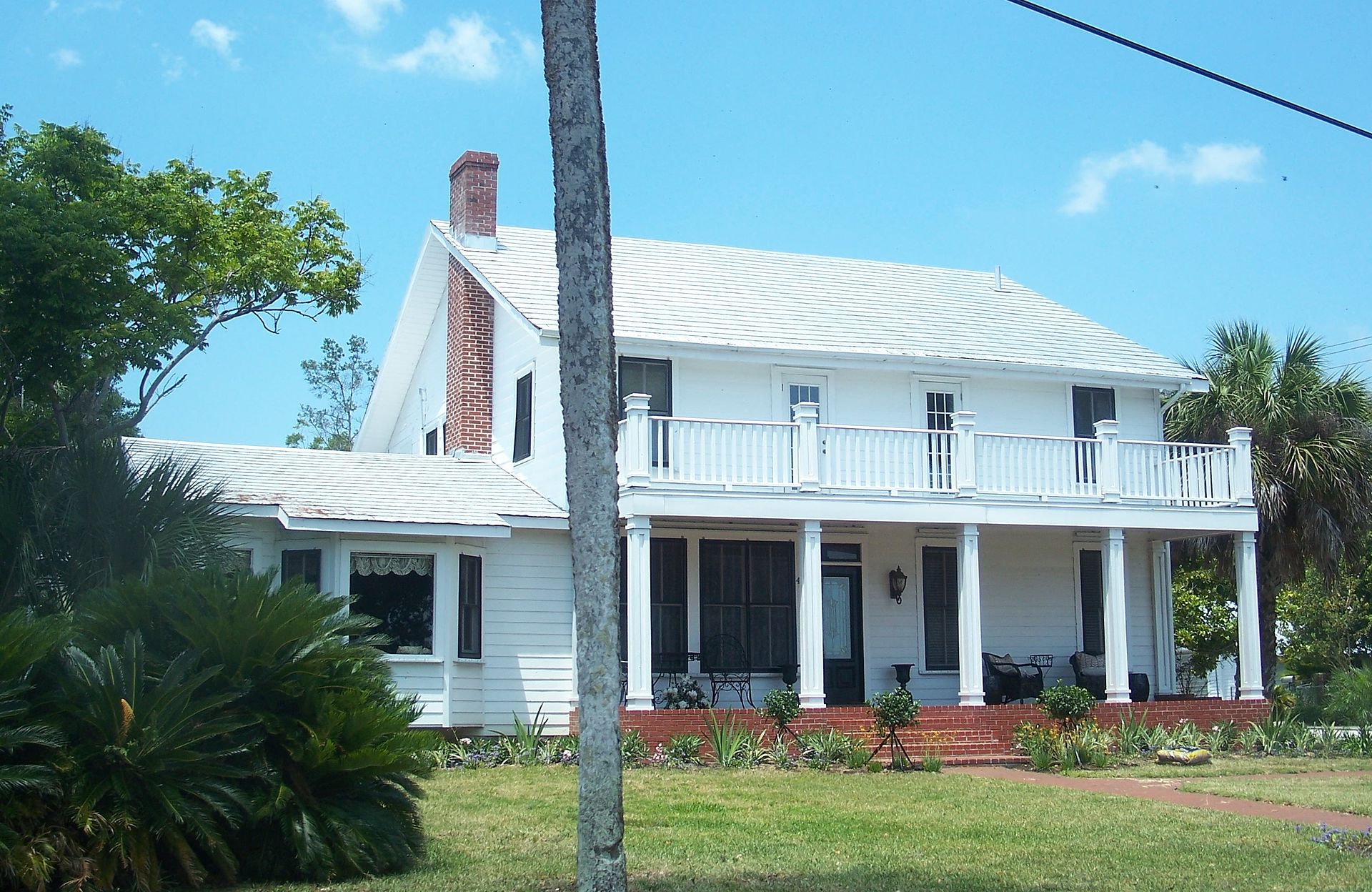
The Rockledge Drive Residential Historic District was listed on the National Register of Historic Places on May 10, 1990. The listing was the result of a multi-year campaign by local preservationists, supported by the Florida Division of Historical Resources and the National Park Service. The timing turned out to be critical: by 1990, the Viera planned community to the west was breaking ground, Brevard County population was growing rapidly, and the kind of demolition-and-redevelopment pressure that had taken the Hotel Indian River in 1968 was returning.
The campaign
The push for NRHP listing came from two sources: Rockledge Drive residents (some descendants of original owners, some recent buyers who’d bought historic properties intentionally) and the Brevard County Historical Society. Beginning in the mid-1980s, the campaign worked through the standard NRHP nomination process:
-
Building inventory: every building in the proposed district had to be documented with construction date, architectural style, owner history, and current condition. The inventory took roughly two years.
-
Architectural significance argument: the nomination had to demonstrate that the district met NRHP criteria. The relevant criteria for Rockledge Drive were: Criterion A (association with broad patterns of history, in this case Gilded Age Florida tourism), Criterion C (embodying distinctive architectural characteristics of a period and method of construction).
-
Boundary justification: the proposed district boundary had to be defended as encompassing the historic resource without including excessive non-contributing buildings or excluding contributing ones at the edges.
-
Public review: the nomination went through Florida’s state historic preservation office (the State Historic Preservation Officer, within the Division of Historical Resources) for review, then to the National Park Service for federal review.
-
Listing: on May 10, 1990, NPS listed the district as NRHP reference number 90000683.
Who did the work
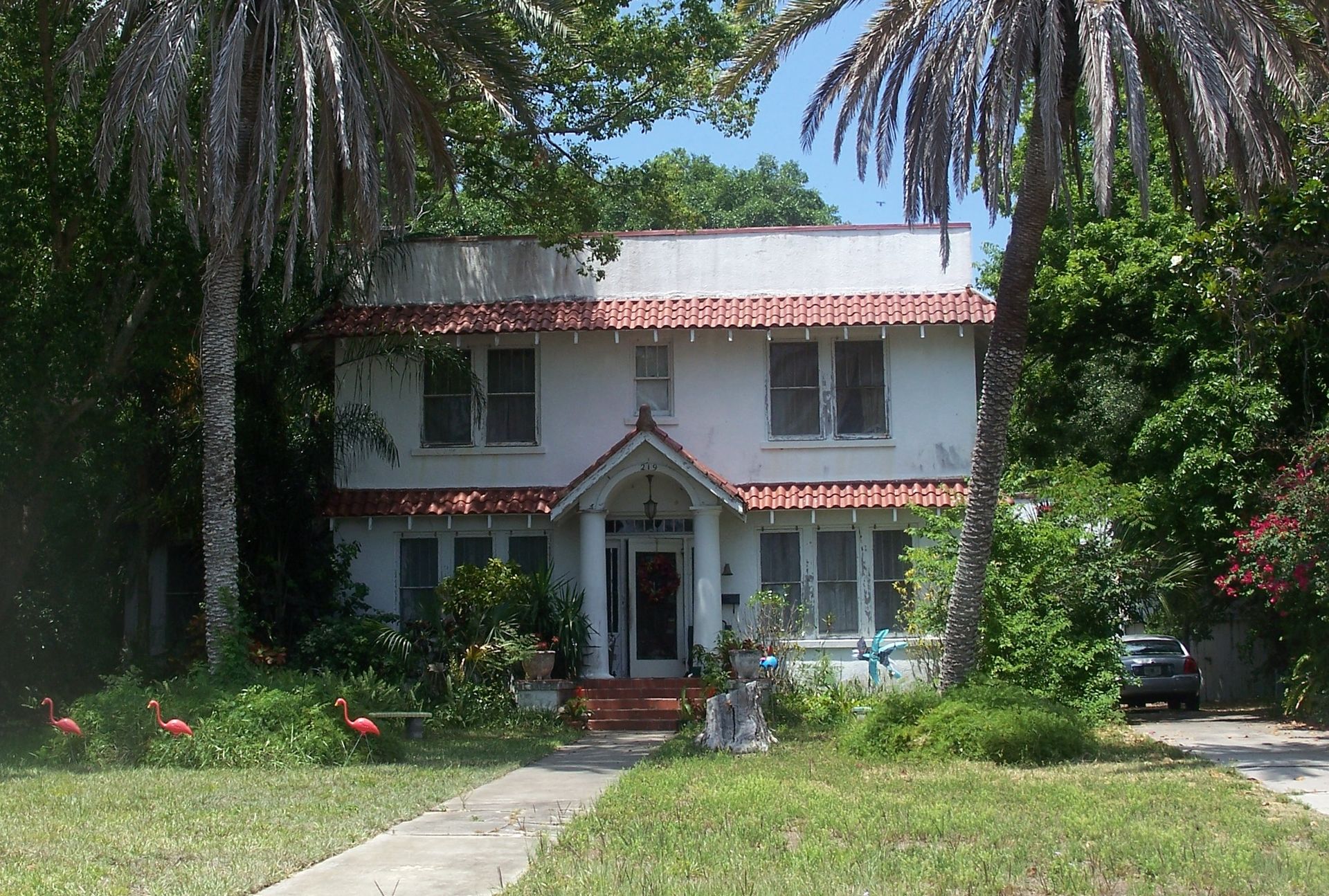
The nomination form was prepared by Daniel Pennington of the Florida Division of Historical Resources, with substantial input from local volunteers. The Brevard County Historical Society organized the volunteer effort. Several Rockledge Drive residents contributed their family records and house histories.
The campaign was modest in scale compared to some preservation efforts of the era but well-organized. The volunteers documented enough of the district’s history and architecture to produce a thorough nomination form that survived NPS review without major revisions.
Why the timing mattered
The 1990 listing came at a transition moment. The Hotel Indian River demolition in 1968 had been the catalyst for local preservation interest, but the legal infrastructure to act on that interest didn’t exist for nearly two decades. The National Historic Preservation Act (1966) and subsequent federal legislation made NRHP listing the standard preservation tool by the late 1980s; state preservation tax credits and federal rehabilitation tax credits provided economic incentives.
If the listing had come 10 years later, much of the residential stock that NRHP captured in 1990 would have been compromised by then. The Viera development began breaking ground in the late 1980s; population growth was returning to central Brevard; commercial pressure on Rockledge Drive could have led to teardowns and infill of incompatible new construction. The 1990 listing came before that pressure had escalated.
What NRHP listing actually does
The federal listing provides:
- Recognition: documents the district for public, academic, and policy purposes.
- Tax credits: contributing properties used for income-producing purposes are eligible for the federal 20% historic rehabilitation tax credit (subject to standards for the rehabilitation work).
- Section 106 review: any federally-funded or federally-permitted project affecting the district triggers federal review of effects on historic resources.
- Influence on local zoning: NRHP listing supports local historic-district zoning, but doesn’t create it.
NRHP listing does not directly prevent demolition by private owners using their own funds and standard local permits. Federal listing is recognition, not regulation, for purely private actions.
The local overlay zoning
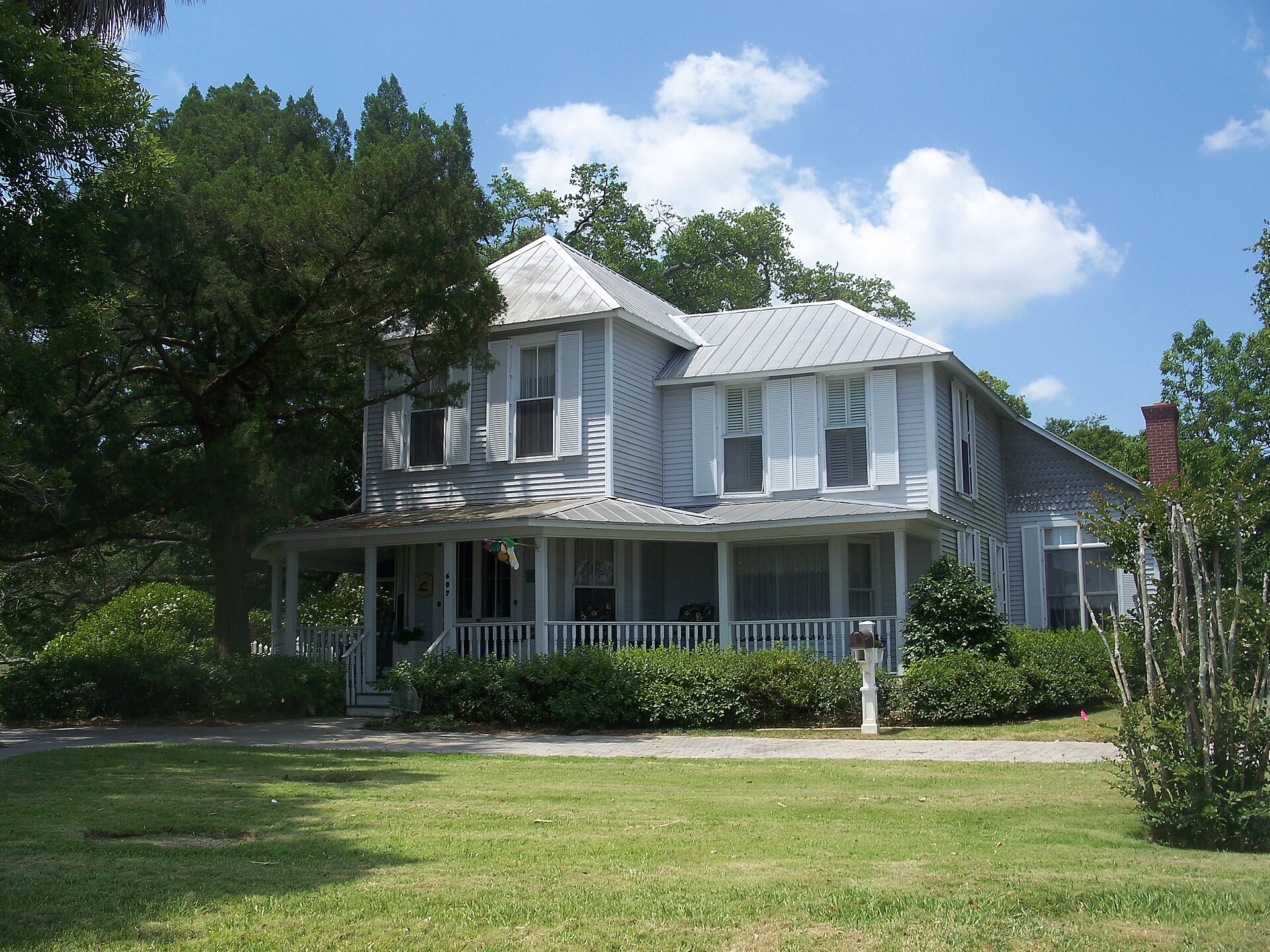
The City of Rockledge adopted local historic-overlay zoning for the NRHP district shortly after the federal listing. Local overlay zoning provides:
- Design review for major exterior changes (additions, replacement windows, roof changes, fence and gate alterations) to contributing properties.
- Demolition review that gives the city’s historic preservation board a period to consider alternatives before a demolition permit is approved.
- Standards for new construction and additions within the district to ensure compatibility with the historic streetscape.
The local zoning is the practically more powerful protection. The federal NRHP listing is the policy foundation; the city overlay is the enforcement mechanism. Together they provide the protection that exists today.
What the 1990 listing didn’t save
The listing was not retroactive. Houses that had been demolished before 1990 were gone. Some demolitions in the 1970s and 1980s, including a few that arguably should have been saved, were already lost. The 173 contributing buildings in the 1990 nomination represent what was left, not what had originally been there.
The listing also didn’t save the Hotel Indian River, which had been demolished in 1968. The hotel was not eligible for retroactive listing because the building no longer existed. Some material was salvaged in 1968 and ended up in private homes and the Brevard Museum; a small fraction of the building’s interior survives.
What survived after 1990
The post-1990 period has been relatively kind to the historic district. New construction within the district has been limited and has generally followed compatibility standards under the local overlay zoning. Demolitions have been rare. Major renovations have generally followed the Secretary of the Interior’s Standards for Rehabilitation, both because owners want the federal tax credit and because the local design review pushes them in that direction.
A few properties have had renovation issues, replacement windows that don’t match the historic profile, incompatible additions, but the overall integrity of the district has been maintained.
The Viera development to the west, which was a worry in 1990, did not bleed into the historic district. The development concentrated on inland land west of I-95 and didn’t pressure the riverfront residential district for redevelopment. The geographic separation between the historic district and the new development has helped.
The preservation legacy
The 1990 NRHP listing is the most significant single act in Rockledge’s historic preservation history. It established the legal framework that has protected the city’s most distinctive built resource. The volunteers, the Florida Division of Historical Resources, and the NPS all deserve credit. The campaign was a model of how local preservation can work when the timing, the documentation, and the political support align.
Further Reading
- Florida: A Short History by Michael Gannon
- Flagler: Rockefeller Partner and Florida Baron by Edward N. Akin
Sources
- National Park Service, NRHP nomination form, “Rockledge Drive Residential Historic District” (NRHP #90000683), 1990, npgallery.nps.gov
- City of Rockledge, historic preservation overlay zoning ordinance (Rockledge City Hall)
- Florida Division of Historical Resources, Florida Historic Preservation Plan and related records, dos.fl.gov/historical
- Secretary of the Interior’s Standards for Rehabilitation, nps.gov/tps/standards/four-treatments/treatment-rehabilitation.htm
As an Amazon Associate we earn from qualifying purchases.