The 1925 Florida land boom at Rockledge: subdivision platting and the bust that followed
The 1925 land boom hit Rockledge with a surge of subdivision platting. Plats filed that year are still legible on current property maps. The boom collapsed in 1926. The aftermath shaped Rockledge real estate for the next half-century.
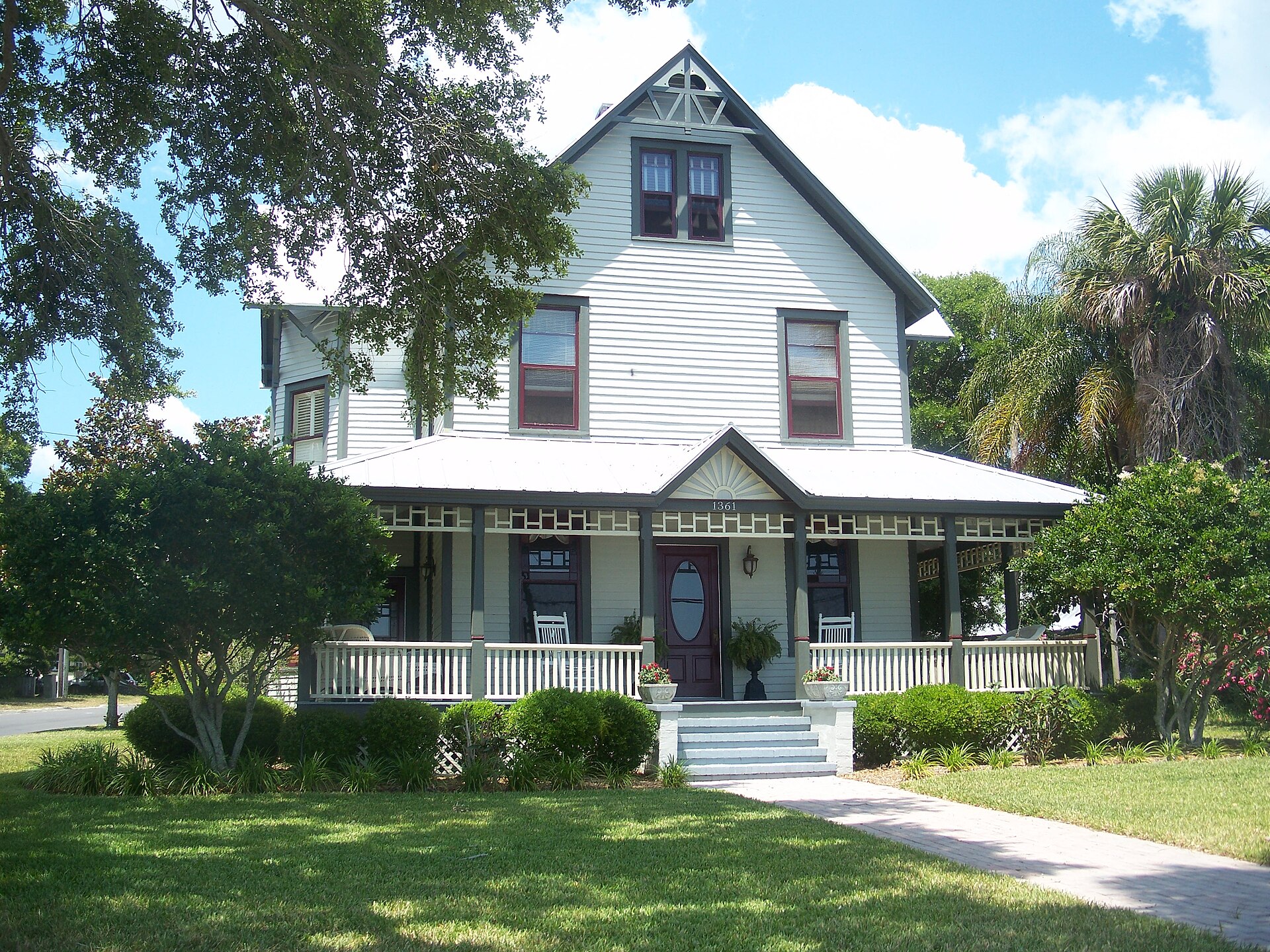
The 1925 Florida land boom brought a wave of subdivision platting to Rockledge. The Brevard County Clerk of Courts records show approximately a dozen new plats filed in 1925 alone, more than in the previous decade combined. Some of the lots were sold, some weren’t, and when the boom collapsed in 1926, much of the new development sat as platted but undeveloped subdivisions for decades. The 1925 plats are still legible on current property maps; many Rockledge street names and lot configurations date directly to that year.
The Florida boom in two paragraphs
Frederick Lewis Allen, in Only Yesterday (1931), described the 1920s Florida land boom as a speculative mania driven by easy credit, aggressive marketing of Florida sunshine and lifestyle to Northeastern buyers, and binder-deposit financing that let buyers put 10% down on a lot and re-sell at a markup before the full balance came due. Through 1924 and into 1925 the model worked: prices rose, sellers profited, more capital flowed in. By mid-1925 there were warning signs: shipping ports clogged, building materials shortages, fraud reports.
The collapse came in three steps. First, in October 1925, the “Big Three” railroads serving Florida (the Seaboard Air Line, the Florida East Coast Railway, and the Atlantic Coast Line) imposed an embargo on non-essential freight, citing rail gridlock from building materials. The embargo wasn’t lifted until May 1926, by which point construction at thousands of partially-built Florida projects had been stalled for half a year. Then on January 10, 1926, the 241-foot schooner Prinz Valdemar sank in Miami harbor’s turning basin, blocking port access at exactly the moment that maritime freight might have eased the rail bottleneck. Second, the September 1926 Miami hurricane destroyed substantial Miami property and ended the perception that Florida was a riskless investment. Third, the 1929 stock market crash and the Depression cut off the Northeastern capital that had financed the boom. By 1930, Florida real estate had bottomed.
What happened at Rockledge specifically
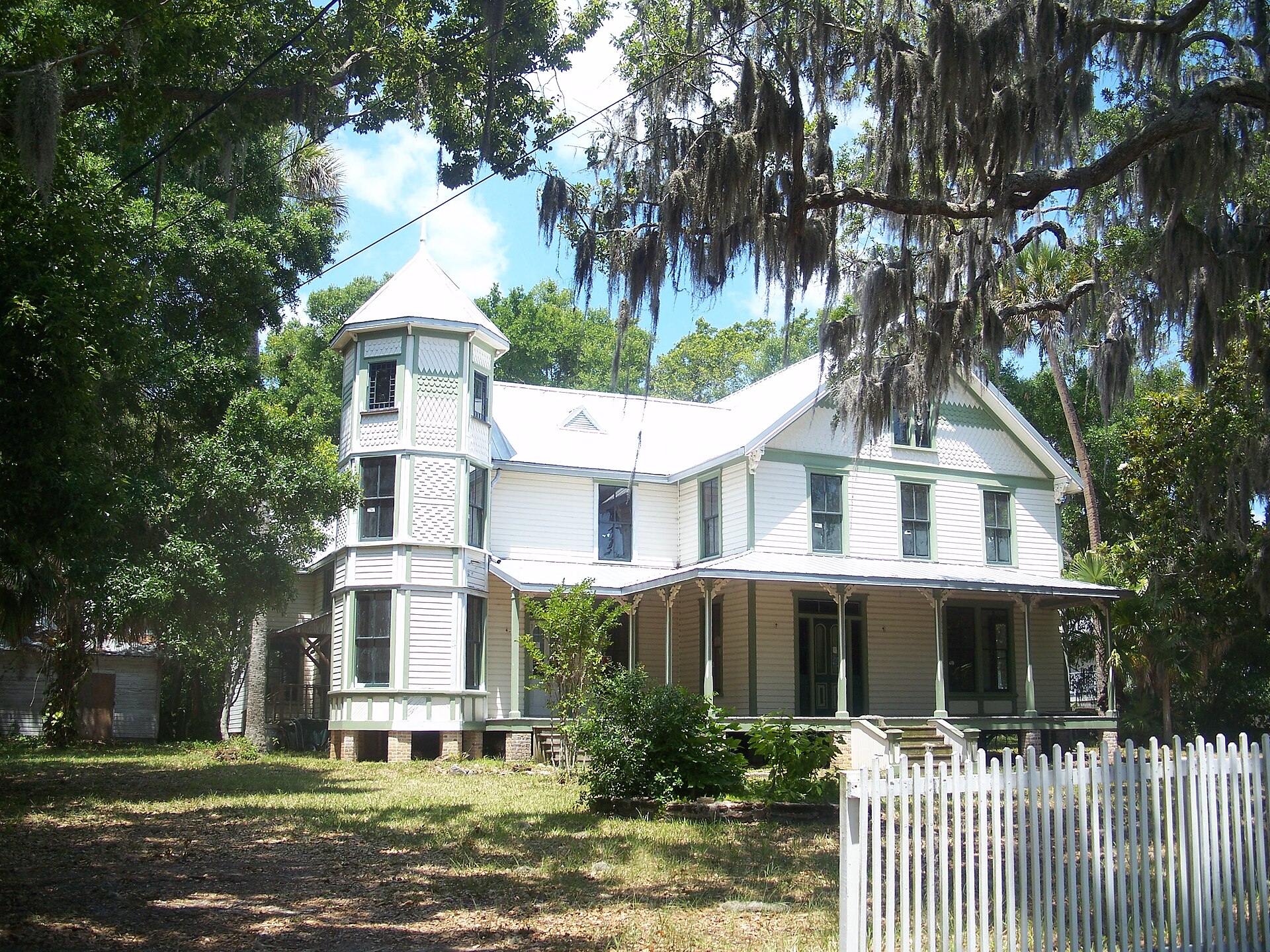
Rockledge was a secondary market in the boom. The primary boom centers were Miami, Coral Gables, Boca Raton, Palm Beach, and the Tampa Bay area. Rockledge attracted speculators looking for affordable alternatives to the high-priced primary markets, and the city’s existing reputation as a Gilded Age winter destination gave it credibility as an emerging market.
New plats filed at Rockledge in 1925 included subdivisions west and south of the historic Rockledge Drive area. Some of these were modest expansions of existing developed neighborhoods. Others were ambitious new platted developments on undeveloped land, with street grids, lot lines, and proposed amenity locations marked but no actual construction begun.
The plats are public record at the Brevard County Clerk of Courts. They include named subdivisions whose names you’ll still see on Rockledge property records: various “Heights,” “Gardens,” “Park,” and “Estate” names typical of the period. Subdivision marketing brochures from 1925, when they survive, are at the Florida State Library or in private collections.
The boom’s collapse and Rockledge
When the boom collapsed in 1926, Rockledge’s newly platted subdivisions stalled. Some of the buyers had paid binder deposits and a few installments; many of those buyers walked away when the resale market evaporated. Sellers were left holding paper. Many of the 1925 subdivisions did not see significant construction for years; some did not see construction for decades.
The 1926 Miami hurricane, while it did not directly hit Rockledge, contributed to the regional collapse. The 1928 Okeechobee hurricane (in south Florida) further confirmed the perception of Florida as risky. By 1929 the stock market crash had eliminated the Northeastern speculative capital that had driven the boom.
Florida banks failed in waves through 1926-1929. The “Florida banking crash of 1926” is documented in Raymond B. Vickers’s 1994 book of that title. Brevard County banks were among the failures. Property tax delinquencies surged. Many platted Rockledge lots reverted to county ownership through tax sales.
What survives from 1925
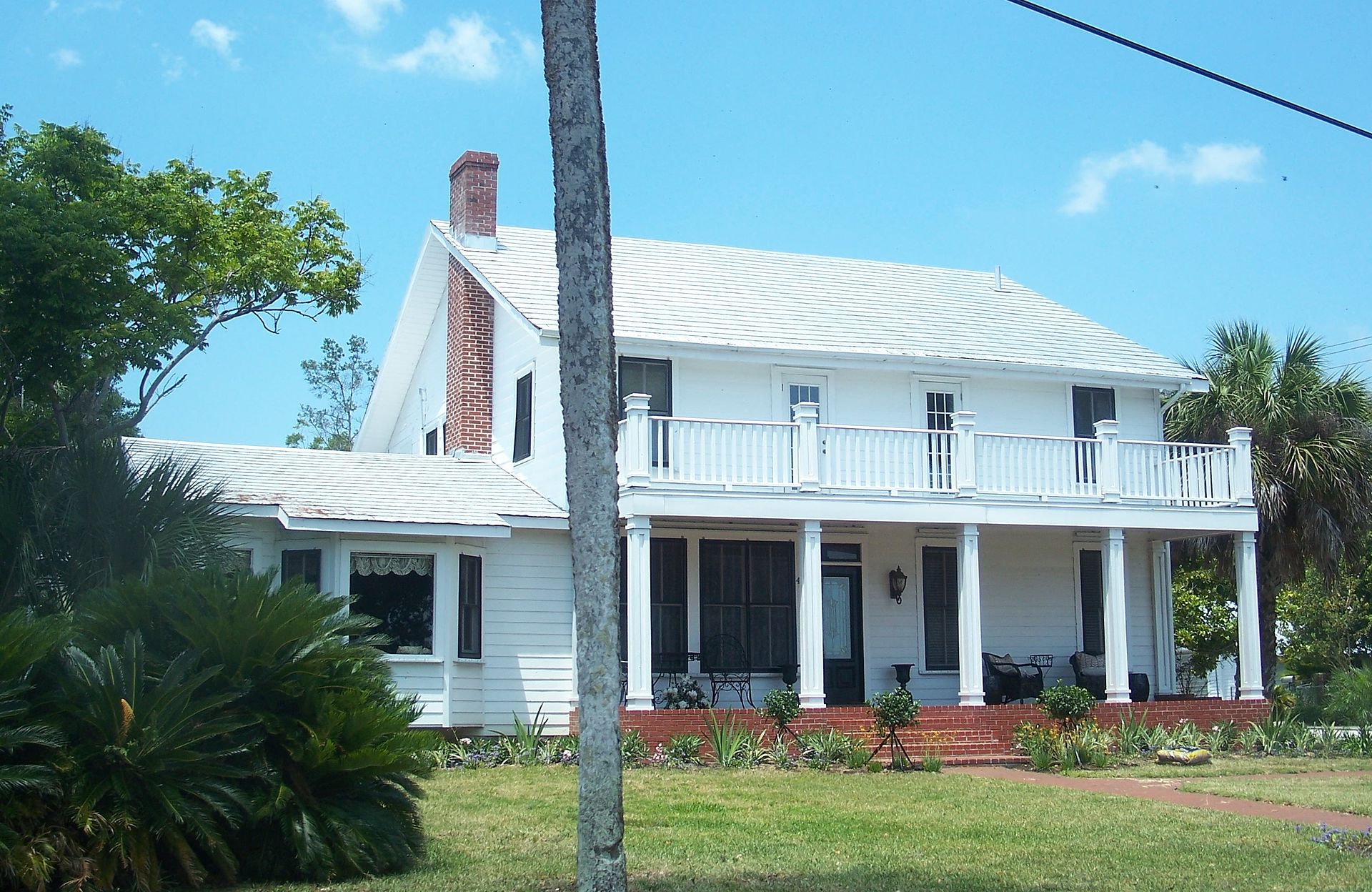
The street layouts of several Rockledge neighborhoods west of U.S. 1 date to 1925-era plats. The street names, lot dimensions, and overall block patterns are direct legacies of the boom-era platting, even when the actual construction came decades later. Mid-20th-century homes on 1925-platted lots are common in Rockledge.
Property maps maintained by the Brevard County Property Appraiser show the platted boundaries. The platted lot lines often match the recorded subdivision plats of 1925 with minor adjustments. Surveying these connections is a routine part of Brevard real estate title research.
The mid-century rebuild
Rockledge’s actual residential growth on the 1925-platted land came mostly between 1945 and 1970, driven by post-war suburbanization and the NASA-era population growth. The platted lots, sitting since 1925, were finally bought and built on. Many of the 1950s and 1960s ranch houses in Rockledge sit on lots that were platted but undeveloped for 25-40 years.
The boom-era infrastructure (utility easements, drainage swales, street rights-of-way) had to be brought up to standard before construction. Some neighborhoods needed new water, sewer, and stormwater systems before they could be developed. Others had been infrastructured to 1925 standards that were obsolete by the time construction resumed.
The economic lesson
The 1925 boom didn’t ruin Rockledge the way it ruined some Florida cities. Rockledge had a pre-existing economic base (the tourism, the citrus, the hospital after 1941, the FEC freight) that gave it durability through the collapse and the Depression. The boom added platted-but-undeveloped land that eventually became valuable when post-war demand caught up to the supply. The lesson, in Rockledge’s case, is that speculative platting in 1925 produced infrastructure that benefited the city decades later, even if the original investors generally lost money.
Other Florida cities had less favorable outcomes. Coral Gables’s boom-era ambitions outpaced its core economy and the city struggled financially for a generation. Mizner-developed Boca Raton went through bankruptcy and reorganization. Rockledge’s boom impact was less dramatic and less destructive, partly because Rockledge’s boom participation was less dramatic to begin with.
Where to find the 1925 plats
The Brevard County Clerk of Courts maintains subdivision plat records back to the county’s founding. The 1925 plats are accessible at the Clerk’s office in Titusville or, in many cases, through the Clerk’s online property records portal. Plats are indexed by subdivision name and by section/township/range. A title search on any Rockledge property will identify which 1925 plat (if any) the parcel was created from.
The 1937 Murphy Act and the long aftermath
The collapse left Florida county governments holding thousands of tax-delinquent parcels with no buyers and no tax revenue. The Florida Legislature passed the Murphy Act in 1937 to address the backlog: the state took title to abandoned tax-delinquent properties and authorized sales at below-assessed-value prices, with proceeds split between the state and the relevant county. Many Rockledge lots that had been platted in 1925, paid binder deposits on, and abandoned during the bust passed through Murphy Act sales between 1937 and the late 1940s. New owners often paid pennies on the dollar relative to 1925 binder prices.
The Murphy Act sales seeded much of the mid-century Rockledge buildout. Post-war buyers acquiring 1925-platted Rockledge lots via Murphy Act conveyance or via subsequent resales after the Murphy chain of title typically paid much less than the original 1925 speculative prices. The boom-era infrastructure (street rights-of-way, lot lines, recorded plats) was inherited at deeply discounted prices, which is part of why Rockledge ranch-house construction in the 1950s and 1960s was so affordable: the land cost was a fraction of what the original 1925 speculators had paid.
The local boom-bust math at Rockledge scale
Estimating the total dollar volume of 1925 land transactions at Rockledge is difficult because so many of the transactions were binder deposits rather than completed sales, and many records of binder deposits were lost in the subsequent bank failures. A rough estimate based on Brevard County deed-book entries and the surviving subdivision plat records puts 1925 Rockledge property transactions in the low millions of dollars (face value, not adjusted), with the substantial majority of that value never actually changing hands beyond the binder deposit. The realized capital loss to Northern speculators who walked away from binder commitments probably ran into the hundreds of thousands of dollars at Rockledge specifically.
By Florida-boom standards, those are small numbers. Coral Gables, Miami Beach, Boca Raton, and Hollywood-by-the-Sea each saw individual subdivisions with face-value transaction totals exceeding what all of Rockledge transacted in 1925. The corollary is that the bust was also less destructive at Rockledge. The city avoided the catastrophic municipal-bond defaults and the collapsed-bank-fueled cascading failures that hit the south Florida boom centers. Rockledge’s 1925 participation was big enough to leave a legacy on the modern street grid, small enough to avoid wrecking the city when the music stopped.
Further Reading
Sources
- Brevard County Clerk of Courts, subdivision plat records, 1920-1930 (Titusville)
- Frederick Lewis Allen, Only Yesterday: An Informal History of the 1920s (Harper & Brothers, 1931), Florida land boom chapter
- Raymond B. Vickers, Panic in Paradise: Florida’s Banking Crash of 1926 (University of Alabama Press, 1994)
- Florida State Library, “Florida Land Boom” subject collection, including 1925 subdivision marketing brochures
- Brevard County Property Appraiser, current parcel maps with referenced subdivision plats
As an Amazon Associate we earn from qualifying purchases.